
Electric vehicles (EVs) in Quebec have traversed an impressive journey, transitioning from a niche market to a mainstream choice over the last two decades. Quebec’s enthusiastic embrace of EVs marks a significant shift in the automotive landscape, mirroring the global trend towards sustainable transportation. The growth of EVs in the province since 2001 has been nothing short of remarkable, with a notable acceleration since 2017. This blog post delves into this evolution, exploring the factors that have fueled the rise of EVs, the monumental strides in battery technology, and what the future holds for electric mobility in Quebec over the next five years.
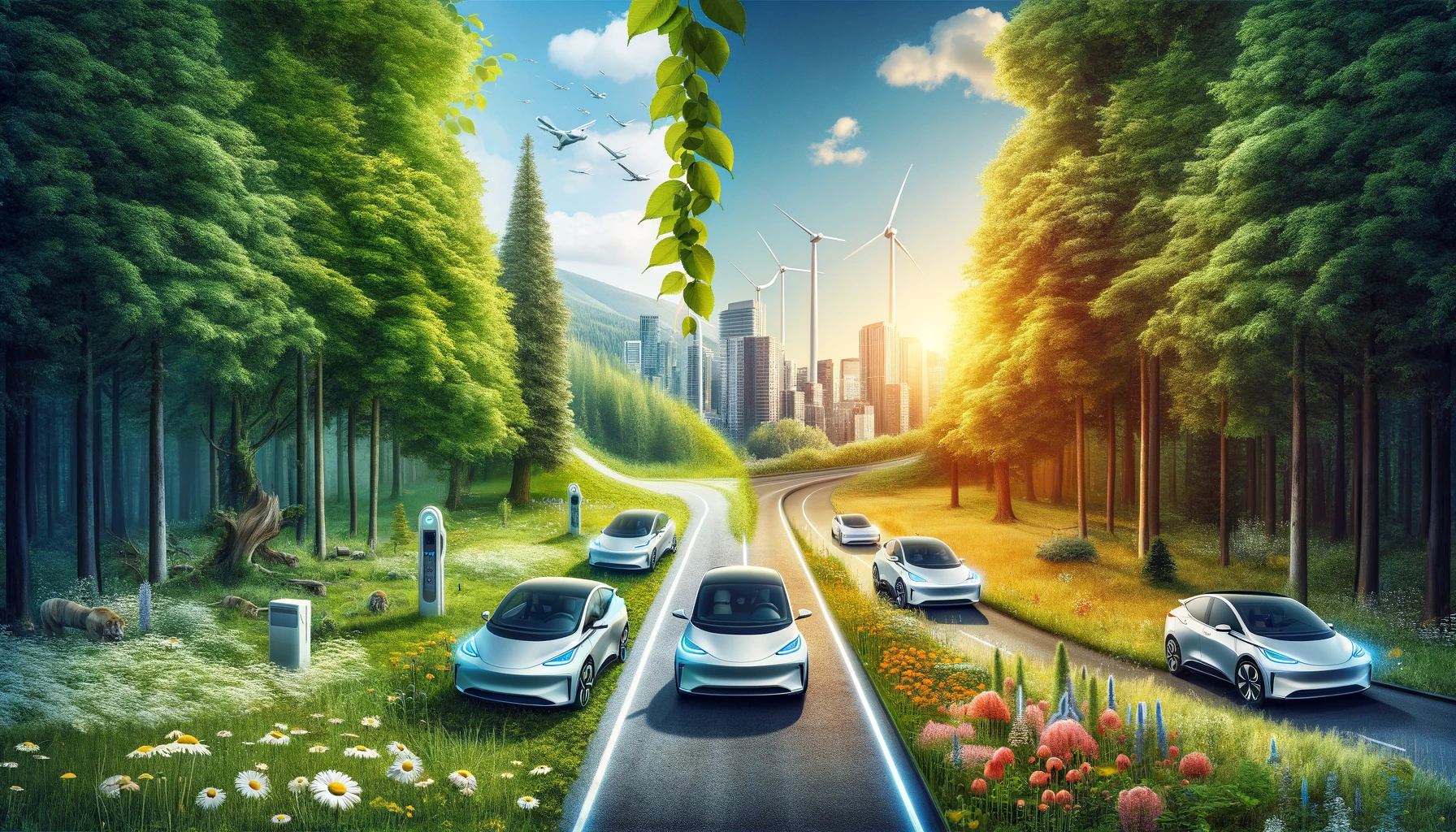
The Balance Between Nature and Electric Vehicles in Quebec in Pictures.
Growth of EVs in Quebec Since 2001
The story of electric vehicles in Quebec begins in the early 2000s, a period that can be characterized as the dawn of the EV era in the province. Back in 2001, electric vehicles were a rare sight on Quebec’s roads, often perceived more as a novelty than a viable transportation alternative. However, this perception began to shift gradually as environmental awareness grew and the government started to promote greener technologies.
The growth of the EV market in Quebec over these initial years was slow but steady. By the mid-2000s, the province had begun establishing itself as a pioneer in the Canadian EV landscape. This was partly due to Quebec’s abundant hydroelectric resources, which provided a clean and efficient means of powering electric vehicles. Additionally, initiatives like tax incentives (around 2016) for EV buyers and investments in charging infrastructure played a crucial role in promoting EV adoption. Since 2016, the number of EVs in Quebec has reached a significant figure, laying a solid foundation for the accelerated growth that is happening.
The Accelerated Transition Since 2017
The year 2017 marked a pivotal moment in Quebec’s electric vehicle narrative. It was during this time that the province witnessed an exponential surge in EV adoption, driven largely by a combination of government incentives and an increasing environmental consciousness among the populace. Quebec’s proactive approach, including substantial rebates for EV purchases and an ambitious plan to expand the charging network, significantly reduced the barriers to EV ownership.
This period also saw a notable increase in the variety and availability of EV models, with major automakers introducing electric versions of popular vehicles, thereby appealing to a broader segment of consumers. The Quebec government’s assertive policies, such as the Zero-Emission Vehicle (ZEV) mandate, which required manufacturers to sell a certain percentage of zero-emission vehicles, further fueled this growth. By the end of the decade, these efforts had culminated in a remarkable uptick in EV sales, establishing Quebec not just as a national leader in electric mobility but also as a significant player on the global stage.
The Role of Battery Technology Evolution
The evolution of battery technology has been a cornerstone in the growing adoption of electric vehicles in Quebec. In the early 2000s, limitations in battery technology, such as lower energy density, high costs, and lengthy charging times, were significant hurdles. However, the past two decades have witnessed monumental advancements in this field, dramatically transforming the EV landscape.
Modern lithium-ion batteries, with their higher energy density and longer lifespans, have enabled EVs to travel greater distances on a single charge, effectively addressing one of the major concerns of potential EV buyers: range anxiety. Additionally, the costs of these batteries have plummeted, making EVs increasingly affordable for the average consumer. Innovations in charging technology, including the development of fast-charging stations, have further enhanced the practicality of EVs, making them a more convenient option for daily use.
These advancements in battery technology have not only improved the performance and reduced the cost of EVs but also played a pivotal role in public acceptance and adoption. As battery technology continues to advance, it holds the promise of even more efficient, cost-effective, and high-performing electric vehicles in the near future.
Predictions for the Next 5 Years
As we look towards the next five years, the future of electric vehicles in Quebec appears not only bright but revolutionary. Given the current trajectory and advancements in technology, it’s anticipated that EVs will continue to gain substantial ground in the automotive market. By 2029, a significant portion of new vehicle sales in Quebec is expected to be electric, propelled by continuous improvements in battery technology and supportive government policies.
The next phase in battery evolution is likely to focus on enhancing energy density further, reducing charging times, and employing more sustainable materials, potentially lowering costs even more. This will make EVs accessible to an even broader audience. Moreover, ongoing investments in charging infrastructure, including widespread deployment of ultra-fast charging stations, will make long-distance EV travel more feasible.
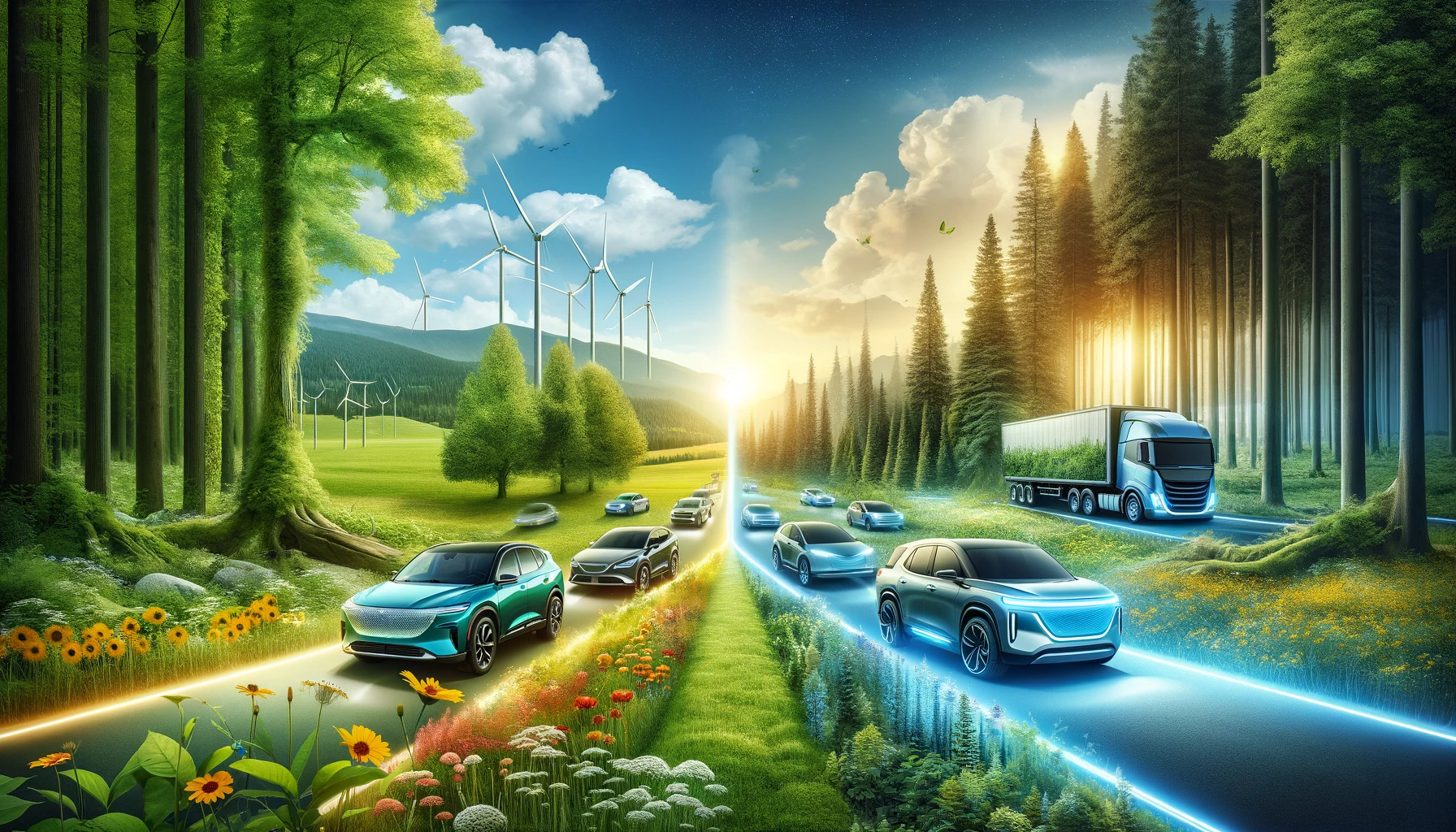
Prediction of an Electric Future.
In terms of policy, Quebec may see more aggressive measures to encourage EV adoption, potentially including stricter emissions regulations for conventional vehicles and further incentives for EV buyers. Additionally, the integration of EVs with renewable energy sources will likely be a key focus, reinforcing Quebec’s commitment to environmental sustainability.
Overall, the EV landscape in Quebec in the next five years is poised to be one of dynamic growth, driven by technological innovation and strong policy support, making the province a leader in the transition towards a greener, more sustainable future.
Conclusion
This wraps up our exploration of the electric vehicle’s future in Quebec. The journey from 2001 to the present day illustrates a remarkable transformation, driven by technological advancements, government initiatives, and a societal shift towards sustainability. As we look forward, it’s clear that the EV revolution in Quebec is not just a passing trend but a fundamental shift in how we think about transportation. With continued innovation and policy support, the next five years are set to be a pivotal chapter in this ongoing story of progress and sustainability.